
How to Reduce Facial Puffiness Naturally?

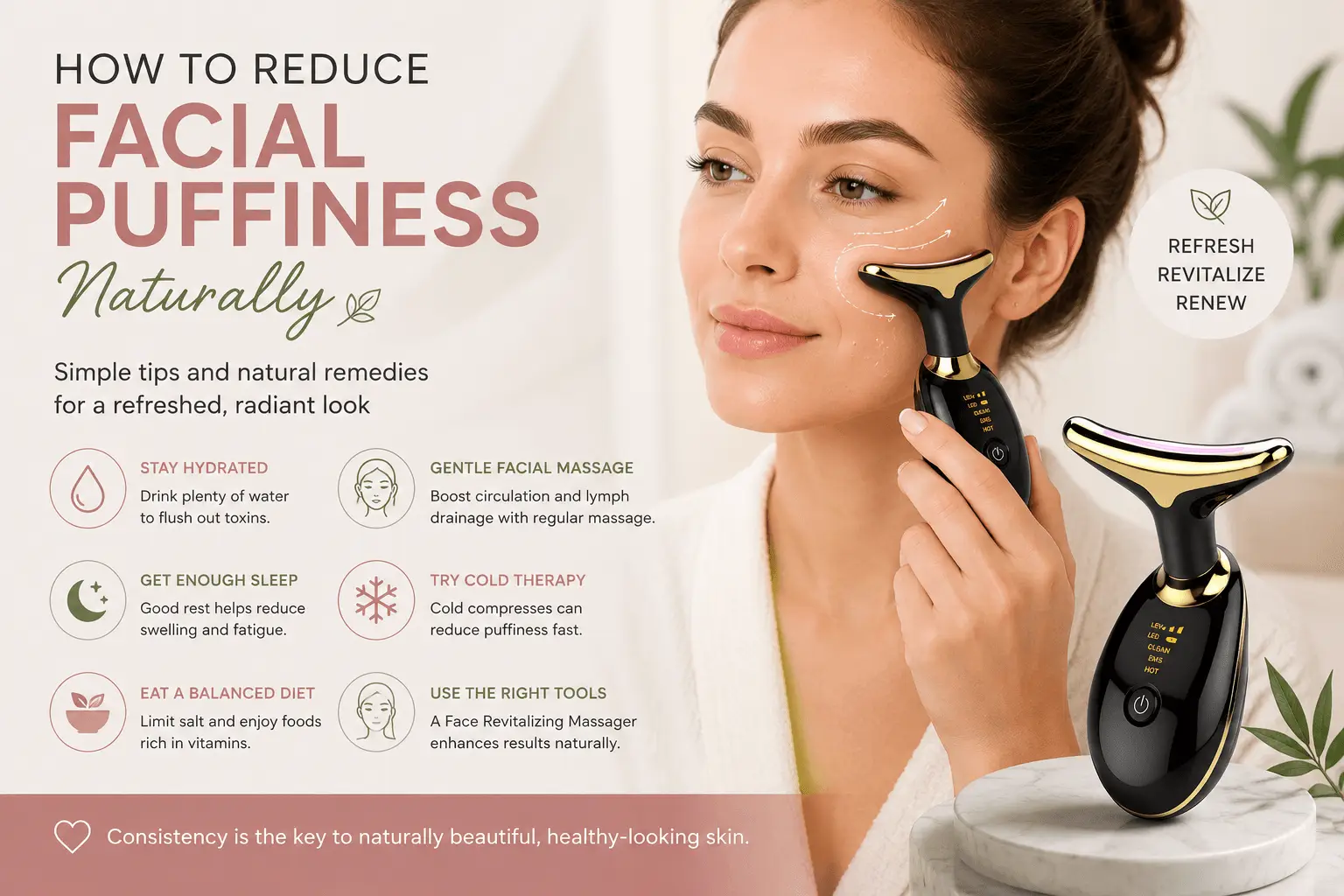
What Causes Facial Puffiness?
Understanding the cause of facial swelling is the first step toward reducing it effectively. In many cases, facial puffiness is not a skin problem at all—it is your body responding to lifestyle habits, temporary inflammation, or fluid retention. One of the most common causes is dehydration. When your body lacks water, it tends to hold onto the fluids it has, often leading to swelling around the cheeks and eyes.
Poor sleep is another major factor. During sleep, your body regulates fluid distribution and repairs tissues. When you do not get enough quality rest, fluids can accumulate in certain areas of the face, making you look swollen the next morning. High sodium intake can produce a similar effect because excess salt encourages water retention.
Allergies, hormonal fluctuations, stress, alcohol consumption, and even sleeping position may also contribute. For example, the Roller Face Massager available at Nyrashop is designed to complement your skincare routine by promoting gentle facial massage, supporting lymphatic drainage, and helping reduce the appearance of morning puffiness. Used consistently, it can become a valuable addition to a natural facial care regimen. Certain skincare products may trigger irritation, leading to temporary swelling as well.
While occasional facial puffiness is usually harmless, persistent swelling that does not improve may indicate an underlying health concern and should be discussed with a healthcare professional.
The good news is that most cases are linked to everyday habits and can often be improved naturally. By identifying the triggers affecting your body, you can make targeted changes that lead to a fresher, more defined appearance over time rather than relying solely on temporary fixes.
Stay Hydrated to Reduce Water Retention
It may seem counterintuitive, but drinking more water is often one of the best ways to reduce swelling. When the body senses dehydration, it begins storing extra fluids as a protective mechanism. This can result in bloating throughout the body, including the face.
If you frequently wake up looking swollen, start by evaluating your hydration habits. Many people underestimate how much water they actually drink throughout the day. A reusable water bottle can make it easier to monitor intake and stay consistent.
Hydration is not just about plain water. Water-rich foods such as cucumber, watermelon, celery, lettuce, and strawberries can support healthy fluid balance as well. Herbal teas and electrolyte-rich beverages may also help, especially after exercise or during hot weather.
Limiting dehydrating habits is equally important. Excessive caffeine and alcohol consumption can contribute to fluid imbalance. Alcohol, in particular, is a common trigger because it dehydrates the body while promoting inflammation.
When trying to reduce facial puffiness, consistency matters more than quick fixes. Drinking adequate water for a single day may not dramatically change your appearance, but maintaining healthy hydration over time can improve circulation, support lymphatic function, and help the body naturally regulate excess fluids.
Many people notice that their skin appears brighter and healthier when they are properly hydrated. Combined with a balanced diet and good sleep habits, drinking enough water can become one of the simplest and most effective strategies for achieving a fresher, more refreshed look.
Improve Your Sleep Habits for a Less Puffy Face
Sleep plays a surprisingly important role in how your face looks each morning. During deep sleep, your body repairs tissues, regulates inflammation, and maintains healthy circulation. When sleep quality suffers, these processes become less efficient, increasing the likelihood of waking up with swelling around the eyes, cheeks, or jawline.
Aim for seven to nine hours of quality sleep each night. Consistency is often more important than occasional long sleep sessions. Going to bed and waking up at the same time daily helps support your body’s natural recovery processes.
Your sleeping position can also make a difference. Elevating your head slightly with an extra pillow may help prevent fluid from collecting in the face overnight. Many people find that this simple adjustment reduces morning swelling significantly.
Creating a healthy bedtime routine can further improve results. Limiting screen exposure before bed, avoiding heavy meals late at night, and reducing alcohol intake may support deeper and more restorative sleep. Keeping your bedroom cool and comfortable can also help.
People dealing with chronic facial puffiness often overlook the connection between stress and sleep quality. Stress hormones can increase inflammation and disrupt sleep patterns, creating a cycle that contributes to swelling. Relaxation techniques such as reading, meditation, or gentle stretching before bed may help break this cycle.
Improving sleep is not only beneficial for reducing facial swelling. Better sleep can enhance mood, support healthier skin, improve concentration, and contribute to overall well-being. Over time, it becomes one of the most powerful natural tools for maintaining a healthier appearance.
Adjust Your Diet and Reduce Excess Sodium
What you eat has a direct impact on fluid retention and inflammation. One of the biggest dietary contributors to a puffy appearance is excessive sodium. When sodium levels are high, the body retains water to maintain balance, often resulting in visible swelling.
Processed foods are among the most common sources of excess sodium. Packaged snacks, fast food, processed meats, canned soups, and ready-made meals frequently contain more salt than people realize. Reading nutrition labels can help identify hidden sources.
To reduce facial puffiness, focus on fresh, whole foods whenever possible. Fruits, vegetables, lean proteins, nuts, seeds, and whole grains provide nutrients that support healthy circulation and fluid regulation. Potassium-rich foods such as bananas, avocados, sweet potatoes, and spinach can help counterbalance sodium intake.
Inflammation may also contribute to a swollen appearance. Reducing highly processed foods and increasing antioxidant-rich foods may support healthier skin and tissue function. Berries, leafy greens, citrus fruits, and colorful vegetables are excellent additions to a balanced diet.
Pay attention to evening meals as well. Consuming large amounts of salty food shortly before bed often increases the likelihood of waking up with a swollen face. Choosing lighter, nutrient-dense dinners may produce noticeable improvements.
Rather than following restrictive diets, aim for sustainable eating habits that support overall health. Small dietary changes maintained consistently often produce better long-term results than short-term detoxes or extreme approaches. A balanced diet benefits not only your appearance but also your energy levels, digestion, and overall wellness.
Use Facial Massage and Lymphatic Drainage Techniques
Facial massage has become increasingly popular because it offers both relaxation and visible benefits. Gentle massage techniques can encourage circulation, support lymphatic drainage, and help reduce the appearance of swelling caused by fluid buildup.
The lymphatic system plays a key role in removing excess fluid and waste products from tissues. Unlike the circulatory system, it relies on movement to function efficiently. Gentle facial massage may help stimulate this process and promote a more sculpted appearance.
Start with clean skin and apply a facial oil or serum to reduce friction. Using upward and outward motions, gently massage the cheeks, jawline, and under-eye area. Avoid applying excessive pressure, especially around delicate skin.
Tools can make facial massage more effective and easier to incorporate into your daily skincare routine. A quality Face Revitalizing Massager can help support circulation, encourage lymphatic drainage, and provide a relaxing self-care experience while helping the skin look more refreshed and energized.
For example, a quality facial massager available through Nyrashop can be incorporated into a daily skincare routine to support circulation and relaxation while enhancing the overall experience.
When addressing facial puffiness, regularity matters more than intensity. A few minutes of gentle massage several times per week often provides better results than occasional aggressive treatments.
Beyond its physical benefits, facial massage can be a calming self-care practice. Many users report feeling more relaxed after incorporating it into their routine. Combined with healthy hydration, proper sleep, and balanced nutrition, facial massage can become an effective component of a natural puffiness-reduction strategy.
Try Cold Therapy and Skincare Solutions for Quick Results
Sometimes you need a faster solution, especially before an important event or meeting. Cold therapy is one of the most effective short-term methods for reducing visible swelling. Cool temperatures help constrict blood vessels, which may temporarily decrease inflammation and fluid accumulation.
Simple options include chilled spoons, cold compresses, refrigerated facial rollers, or cooling eye masks. Applying them for a few minutes can provide a refreshed appearance and a more awake look.
Certain skincare ingredients may also help. Caffeine is commonly used in eye creams because it can temporarily reduce the appearance of swelling. Ingredients such as green tea extract, aloe vera, and niacinamide may provide soothing and calming effects as well.
While these methods can offer noticeable improvements, they work best when combined with healthy lifestyle habits. Quick fixes alone are unlikely to address the root causes of recurring swelling.
If facial puffiness appears frequently, consider creating a complete morning routine that combines hydration, gentle cleansing, cold therapy, and facial massage. This layered approach often delivers better results than relying on a single technique.
The goal is not perfection but consistency. Small daily habits can have a significant impact on how your face looks and feels over time. By combining evidence-based strategies with a practical skincare routine, you can reduce swelling naturally and enjoy a fresher, healthier appearance throughout the day.